Affiliate Scanner: How to Detect Fraud in Sub-Affiliate Networks?
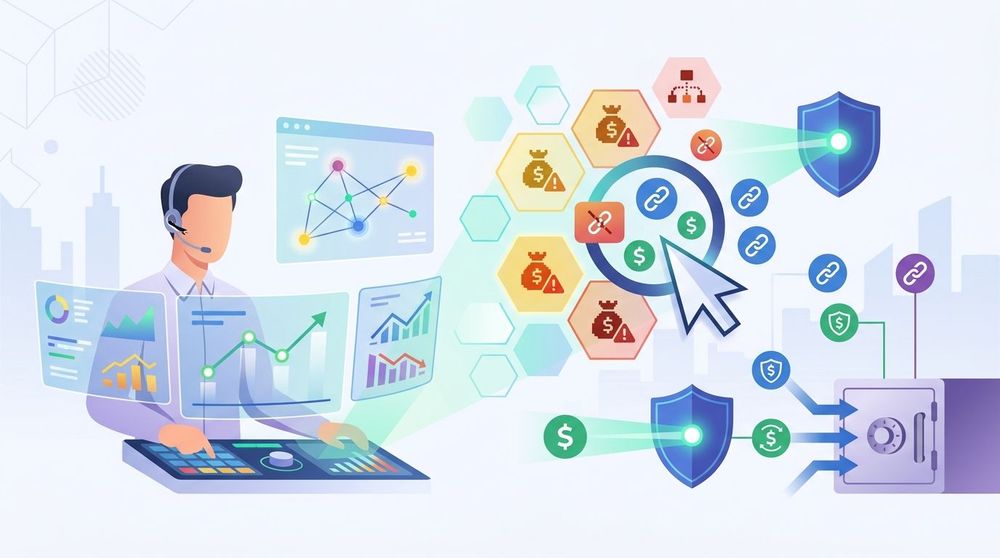
source: own elaboration
Introduction: The Dark Side of Affiliate Marketing
Affiliate marketing is one of the most effective settlement models in e-commerce, based on a simple mechanism: you only pay for delivered results. However, where there are large budgets, there are also attempts at abuse. Sub-affiliate networks present a particular challenge for online store owners and e-commerce managers. Although they offer vast reach, they introduce an additional layer of mediation that encourages non-transparent activities.
What are sub-affiliate networks and why do they carry risk?
Sub-affiliate networks are platforms that aggregate many smaller publishers under one brand. For the advertiser, this means working with a single entity that theoretically manages hundreds of partners. In practice, however, controlling where traffic originates becomes very difficult. The lack of direct insight into the activities of final publishers opens the door to abuses that can drain your marketing budget.
Warning signs: What to look out for?
Detecting affiliate fraud requires vigilance and data analysis that may look correct at first glance. Here are the key signals that should raise your awareness:
1. Cookie Stuffing (Cookie Dropping)
This is one of the most common fraud methods. It involves forcing a cookie to be saved in the user's browser, even though they did not interact with the publisher's ad. If the user later makes an organic purchase, the dishonest partner receives a commission for a transaction they didn't help generate. A warning sign is a very high number of clicks with a minimal number of unique users or an unnaturally high conversion rate from a single source.
2. Click Hijacking and Attribution Theft
In this scenario, malicious software or scripts on publisher sites "hijack" clicks. When a user is close to making a purchase, the script generates a fake affiliate click in the background, overwriting cookies from other channels (e.g., Google Ads or direct traffic). As a result, you pay a commission for a customer who would have purchased anyway, and your other campaigns show worse efficiency than they actually have.
3. Fake Leads and Bot-Generated Orders
Many sub-affiliate networks struggle with the problem of bots filling out contact forms or placing cash-on-delivery orders. These actions aim to generate commissions that will be paid out before your CRM system verifies that the order wasn't paid for or the contact details are fake. If you notice a growing number of returns or failed transactions from a specific affiliate source, you are likely dealing with fraud.
4. Brand Bidding in SEM Campaigns
Dishonest partners often bid on keywords related to your store's name, despite prohibitions in the program regulations. They do this under the guise of sub-affiliate networks, which makes them harder to identify. This leads to increased costs for your own brand campaigns and the cannibalization of direct traffic.
How Affiliate Scanner from TrafficWatchdog Solves These Problems?
Manually verifying thousands of transactions and user paths is practically impossible. This is where Affiliate Scanner comes in – an advanced tool from TrafficWatchdog designed to protect partner programs.
Affiliate Scanner acts as a 24/7 guardian of your budget. Thanks to virtual fingerprinting technology and advanced AI algorithms, the tool can:
- Detect cookie stuffing attempts and block unfair commission attribution.
- Identify click hijacking by analyzing the timing and path of user interaction before purchase.
- Eliminate fake leads and orders generated by automated scripts and click farms.
- Monitor publisher activities in real-time, giving you clear insight into which partners provide real value and which act to your detriment.
Budget Protection and Fair Cooperation
Using Affiliate Scanner is not just about saving money that would otherwise go to fraudsters. It is primarily about building a healthy ecosystem where honest publishers are properly rewarded, and your ROI and ROAS metrics reflect actual marketing effectiveness. Thanks to automated protection, your team can focus on scaling sales instead of wasting time on tedious analysis of suspicious logs.
In an era of increasing sub-affiliate network complexity, having a tool like Affiliate Scanner is becoming a standard for any professional e-commerce business that wants real control over its advertising spend.